
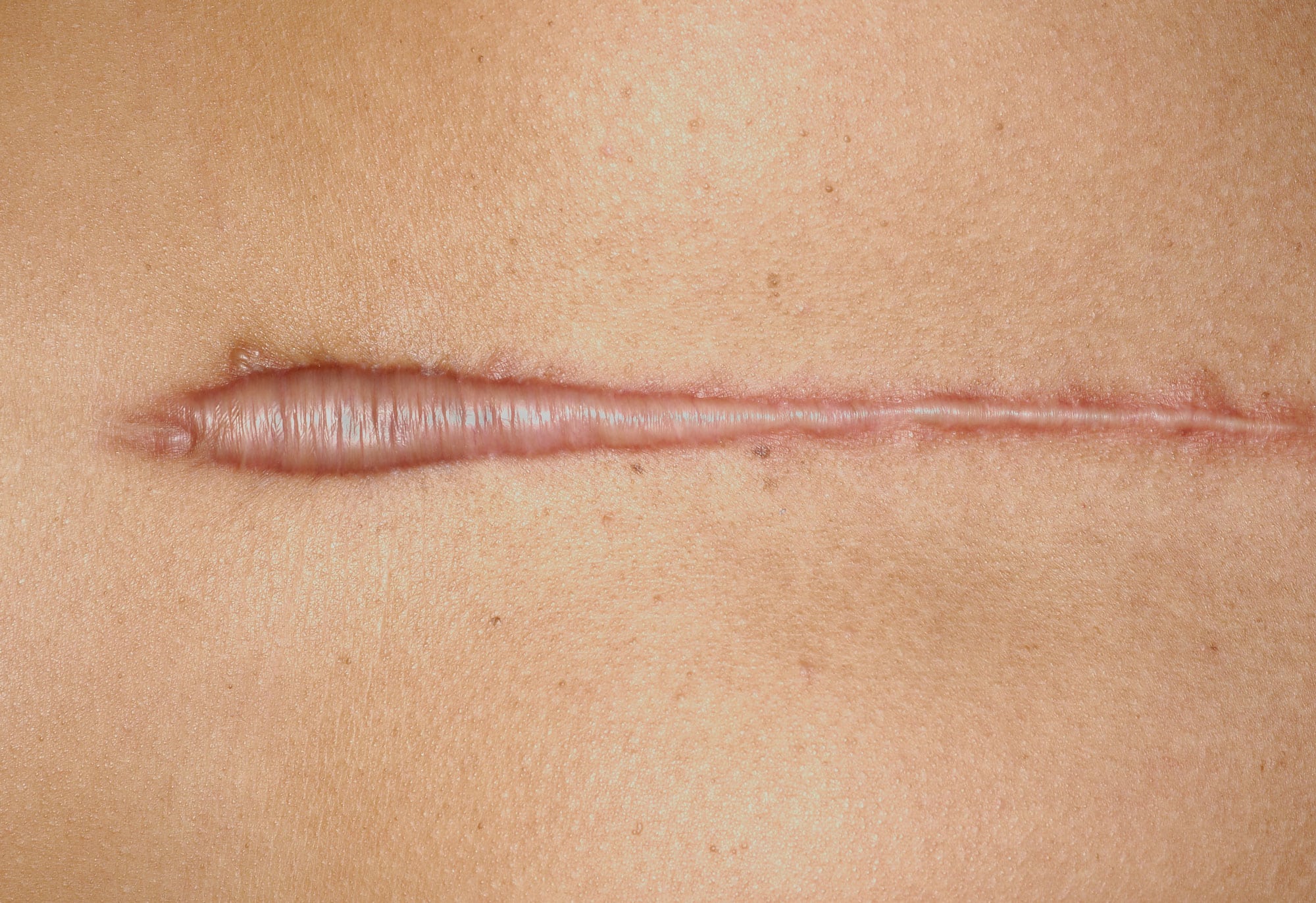
What hypertrophic scars are and how they develop
Hypertrophic scars result from an overproduction of connective tissue, making the scar thicker and raised compared to the surrounding skin. This tissue, composed mainly of collagen, is arranged in a disordered manner, giving the scar an unsightly appearance. Often red or deep pink, hypertrophic scars can be accompanied by symptoms such as itching or burning, linked to persistent inflammation beyond normal healing times.
Not all hypertrophic scars have the same symptoms, and their severity may vary. Some improve spontaneously over time, while others may require specific treatments.
Factors influencing the formation of hypertrophic scars
- Wound type and severity | Deep wounds are more likely to develop hypertrophic scars than superficial scars.
- Abnormal healing process | A prolonged period of inflammation, infections, or exposure to irritants can alter the normal repair of the skin.
- Genetic predisposition | Some people are genetically more prone to hypertrophic scarring than others.
- Location of the lesion | Wounds on the trunk, arms or face are more subject to mechanical stresses, which favour the appearance of these scars.
- Skin Type | Lighter skin appears to be more susceptible to hypertrophic scarring, likely due to increased inflammatory reactivity.
- Age | Children and adolescents tend to develop hypertrophic scars more easily because their healing process is more active.
- Medical conditions | Diseases such as diabetes or some autoimmune diseases can interfere with healing and increase the risk of hypertrophic scars.
Our solutions
Do you have any questions? Contact us!
Would you like more information about the KALOIDON line products?
Please complete each field in the form below and send us your message. We will get back to you as soon as possible.