
GENERAL FAQ
What are post-operative scars?
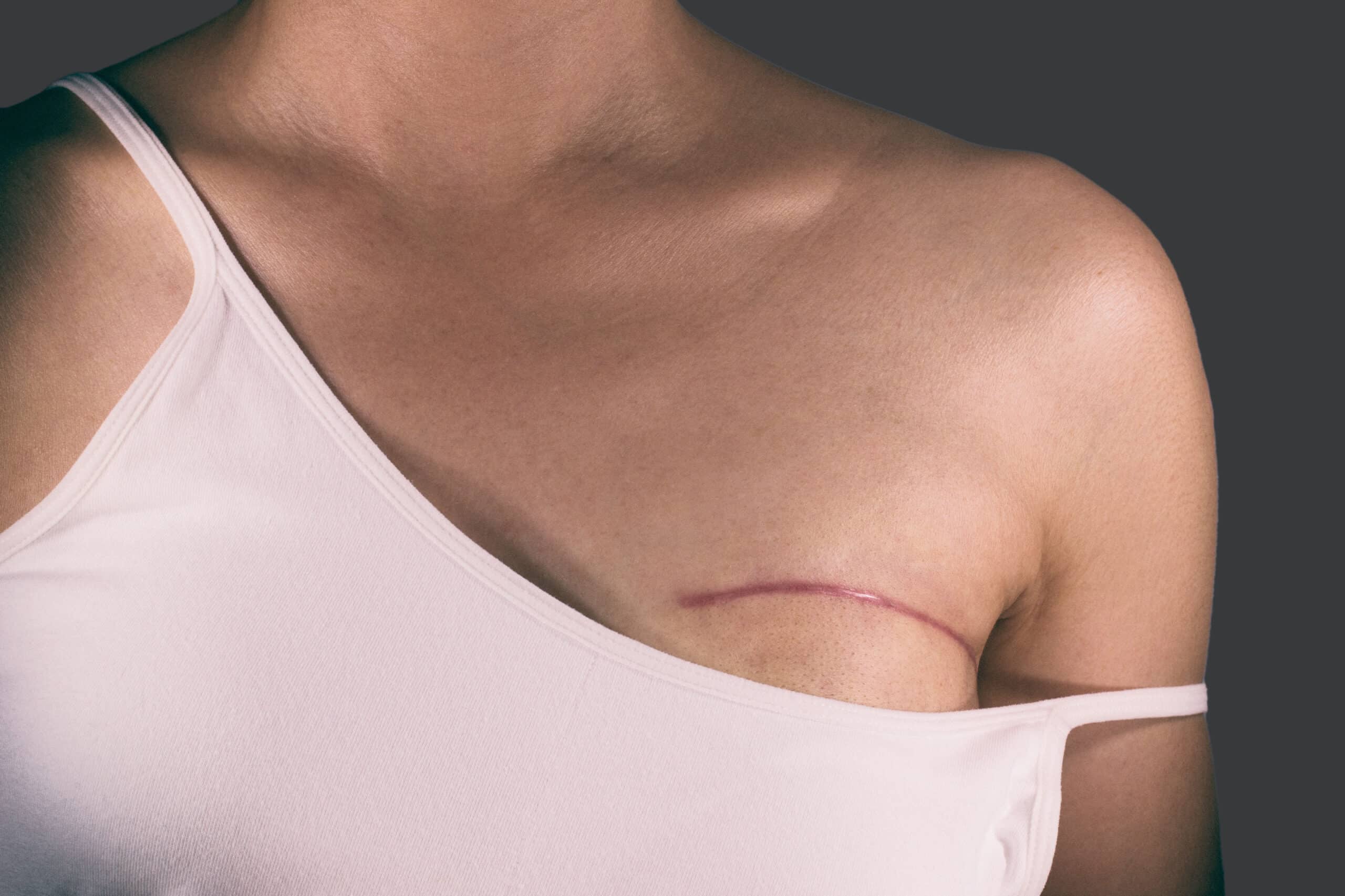
Post-operative scars are permanent marks that form on the skin during the healing process after surgery. Following a surgical incision, which is often linear, the body activates a repair mechanism that generates scar tissue, which is often clearly visible. Depending on many factors, scars can be almost invisible, very noticeable or clearly hypertrophic or keloid.
What are burn scars?
Burn scars are permanent marks, resulting from the healing of the skin after a burn and can vary in severity depending on the depth and extent of the damage. While some burns leave slight marks, others can develop into hypertrophic scars, keloids, or contractures.
How long does it take for a scar to heal completely?
Healing time varies depending on the type of scar:
- Superficial scars: about 2 months.
- Hypertrophic or complex scars: up to 2 years.
Timely treatment with specific products (such as those from the Kaloidon line), massage of the affected area and adequate sun protection can promote faster healing and improve both the appearance and the scar’s functional outcome.
What can I do to make a scar less visible?
These are some useful strategies to make the scar less visible:
- Scar-specific products: use treatments such as those from the Kaloidon line (gel, cream or patch) to reduce inflammation and keep the skin hydrated.
- Massages: help improve circulation and support healing.
- Sun protection: prevents the scar from darkening.
- Medical therapies: Laser, microdermabrasion, or corticosteroids may be useful in specific cases.
Dermatological advice: essential for personalised treatments.
Is it normal for scars to cause itching or pain?
Yes, it is normal, especially in the early stages of healing. Inflammatory mediators cause these symptoms; therefore, it is important to use specific products, such as those from the Kaloidon line, from the first few days after stitches are removed. However, if the pain or itching persists or is particularly intense, it is advisable to consult a doctor.
How to take care of a scar?
The treatment of a scar depends on the type of injury, its location and severity. In general, it is essential to use specific gels or creams to keep the skin hydrated and help flatten the scar. Regular massage of the area also helps improve vascularity and prevent adhesions to the underlying tissues. For photo-exposed scars, adequate sun protection is essential to prevent hyperpigmentation and protect scar tissue. In more complex cases, such as pathological scars, advanced medical treatments may be needed, including steroid injections, laser therapy, or microdermabrasion. Consulting a doctor helps you identify the most appropriate treatment and optimise your results.
What is the difference between a keloid and a hypertrophic scar?
Both are pathological scars: in them, excessive collagen production creates a raised area relative to the normal skin surface. In hypertrophic scars, the excess tissue remains within the wound edges. It can improve over time with appropriate treatments, whereas a keloid expands beyond the wound margins and tends to become very hard and painful, requiring specific treatments. Both can be treated with Kaloidon Gel or Kaloidon Patch, in combination with advanced medical therapies.
Does genetics affect the development of a scar?
Yes, genetics plays a significant role. People with dark skin or young adults are more likely to develop keloids or hypertrophic scars, especially in areas of the body subject to greater tension, such as the chest or ears.
Can I prevent the formation of keloids and hypertrophic scars?
To prevent the formation of keloids and hypertrophic scars, it is essential to take proper care of wounds from the earliest stages. Using specific products immediately after stitch removal can help keep the skin hydrated and promote a regular healing process. Massaging the affected area daily also helps improve tissue elasticity and prevent excess collagen accumulation. It is important to avoid repeated trauma to the scar area and to follow your doctor’s instructions carefully to ensure the best results.
How to reduce or eliminate an existing hypertrophic scar or keloid?
Although complete removal of an existing keloid or scar is difficult, specific treatments can reduce its visibility and discomfort. It is advisable to consult a dermatologist or a plastic surgeon to evaluate the best therapeutic strategies. Within the Kaloidon product line, positive treatment results have been shown with:
- Kaloidon Patch (patches): for at least 12 weeks. The compressive and moisturising actions have shown a beneficial effect on thickness as early as the fourth week.
- Kaloidon gel: moisturises and keeps scar inflammation under control, preventing excessive collagen production and promoting better remodelling. It is recommended to perform the correct massage of the scar after applying the gel.
- Medical treatments: steroid injections, lasers, or surgery can be useful to reduce the size of the scar in the presence of a keloid or a particularly troublesome and unsightly hypertrophic scar.
In general, it is important to remember that a personalised treatment, strictly supervised by a healthcare professional, is essential to maximise the aesthetic and functional result of the scar.
How long should a scar be treated?
The duration of scar treatment depends on the type of lesion. Topical treatments, such as specific creams or gels, are generally effective for 3-6 months, while advanced therapies, such as lasers or corticosteroid injections, may require multiple sessions over a longer period. Consistency and medical supervision are essential to achieve the best results.
How long do I have to wait before starting treatment for a scar?
Treatment of a scar can begin immediately after removal of the stitches (after complete resorption if the stitches are internal) or once the wound has fully closed and the skin is completely re-epithelialised in the event of a burn. It is essential to use moisturising and protective products immediately, such as those from the Kaloidon line, to promote optimal healing. In case of doubts or complications, it is always advisable to consult a doctor to determine the most appropriate course of action.
Can scars improve over time?
Yes, many scars naturally improve over months or years, becoming less visible and more elastic. However, early treatment with specific products and optimal scar management in the early stages after stitch removal accelerates this process and reduces the risk of complications.
Can I massage a scar?
Yes, massage of a scar is highly recommended, as it stimulates blood circulation, reduces scar tissue adherence to underlying tissues, and improves skin elasticity. For best results, gently massage the affected area with a specific product, such as Kaloidon Gel, which helps moisturise and protect scar tissue.
How to protect a scar in the early stages of healing?
During the early stages of healing, it is essential to:
- Keep the scar hydrated.
- Apply sunscreen (SPF 50+) or, better yet, a specific treatment for sun-exposed scars, such as Kaloidon TiO2 cream.
- Avoid exposure of the scar to UV rays, irritants or direct trauma.
- Use elastocompressive products such as Kaloidon Patch if the scar is at risk of evolving into hypertrophic or keloid.
What factors influence the formation of a scar?
Scar formation is influenced by several factors, including:
- Wound type: Deep or large lesions tend to leave more noticeable marks.
- Location: areas of the body subject to tension (chest, joints) are more prone to develop hypertrophic or keloid scars following injury.
- Genetics: some people have a greater predisposition to the development of hypertrophic scars or keloids.
- Age: younger skin heals quickly, but may form more prominent scars.
- Wound care: timely and correct management can make a difference.
How to prevent a scar from becoming hypertrophic?
To prevent a hypertrophic scar, it is important to take some precautions from the early stages of healing. Applying specific products to keep the skin hydrated and protected helps to promote a regular healing process. It is essential to avoid scratching or traumatising the scar, as this could aggravate inflammation and stimulate excessive collagen production. Gently massaging the area with specific products helps improve tissue elasticity and reduce the risk of thickening. Finally, following your doctor’s instructions, especially after surgery, ensures optimal scar management.
KALOIDON GEL
What types of scars is Kaloidon Gel indicated for?
Kaloidon Gel is indicated for both prevention and treatment. It is ideal for post-operative and burn scars, as well as for existing hypertrophic scars and keloids. It can be used in combination with occlusive dressings for an even more effective action.
How does Kaloidon Gel work?
Kaloidon Gel keeps the skin hydrated and protected thanks to Pullulan, which forms a protective film, and components such as Hyaluronic acid and Chondroitin sulphate, which promote hydration and support scar remodelling. In addition, the Onion extract and Allantoin present in the formulation reduce inflammation, relieve itching and burning, and prevent collagen hyperproliferation, promoting a more uniform scar appearance.
When can I start treatment with Kaloidon Gel?
Preventive treatment with Kaloidon Gel can begin once the stitches have fully dissolved or been removed, when the skin is completely intact. For existing hypertrophic or keloid scars, it is advisable to start with Kaloidon Patch for about 4 weeks, then continue with Kaloidon Gel applied twice daily, with thorough massage of the area.
How is Kaloidon Gel used?
Apply Kaloidon Gel to clean, dry skin two or more times a day, using an appropriate amount for the area to be treated. Gently massage for a few minutes until the product is completely absorbed
What colour is Kaloidon gel?
Kaloidon Gel has an amber colour, determined by the Allium cepa extract (onion extract) present in the formulation. As a natural ingredient, the colour can vary slightly from batch to batch without affecting the product’s concentration or efficacy. Each batch contains more than 10% quercetin, ensuring maximum effectiveness in treating scars.
What does Kaloidon Gel smell like?
Kaloidon Gel has a slight onion-like smell that is initially perceived during application but fades quickly due to the volatile nature of its components. This smell is associated with the use of a full onion extract, rich in Quercetin, to ensure the product’s effectiveness.
Can I use Kaloidon Gel during pregnancy and lactation?
There are no known contraindications for the use of Kaloidon Gel in pregnancy or while breastfeeding. However, it is always advisable to consult your doctor before use.
Can I use Kaloidon Gel in paediatric age?
There are no known contraindications for the use of Kaloidon Gel in children. In this case, however, it is advisable to consult the paediatrician or referring physician before applying.
KALOIDON TiO2
Can I expose a scar to the sun?
Especially in the early stages of healing, scars are very sensitive to sunlight. Unprotected exposure may result in hyperpigmentation, thickening of scar tissue, and inflammation. To avoid these problems, it is essential to apply a sunscreen with SPF 50+, such as Kaloidon TiO2, which offers effective protection against UVA and UVB rays. In addition, it is advisable to avoid direct sun exposure during the first six months and to protect the affected area with appropriate clothing.
What effect does sun exposure have on scars?
Sun exposure can darken scars, causing hyperpigmentation that makes them more noticeable and permanent. In addition, UV rays can slow down the healing process and increase the risk of inflammation. To protect scars, it is essential to use high-SPF sunscreens, such as Kaloidon TiO2, or cover them with clothing that effectively shields them from the sun’s rays.
What colour is Kaloidon TiO2?
Kaloidon TiO2 is a white cream, thanks to the high concentration of titanium dioxide in its formulation. This ingredient acts as a physical UV filter that protects the scar from UVA and UVB rays and helps prevent hyperpigmentation and other damage from sun exposure.
KALOIDON PATCH
What material is the Kaloidon Patch made of?
Kaloidon Patch is made of polyurethane, a thin, transparent material that is flexible and easily adaptable, even to curved or uneven areas of the body. Polyurethane creates a semi-occlusive barrier that improves skin hydration without causing maceration. In addition, it is waterproof, making it ideal for protecting the scar when showering or bathing.
What colour is the Kaloidon Patch? Transparent or skin-coloured?
Kaloidon Patch is completely transparent to ensure maximum discretion during use. Its transparency does not compromise the effectiveness or safety of scar protection.
Is Kaloidon Patch effective on caesarean birth scars?
Yes, Kaloidon Patch is also ideal for treating caesarean birth scars. Not only does it promote healthier healing, but it also protects the scar from rubbing with underwear and clothing, improving everyday comfort.
Can I shower with the Kaloidon Patch?
Kaloidon Patch is waterproof thanks to the polyurethane material. This means that it can be worn while showering or bathing, as it effectively protects the scar even in these situations.
How long should the Kaloidon Patch be worn?
The patch should be worn for 12-24 hours a day, as directed by your healthcare professional, for the best results in treating scars.
How does Kaloidon Patch work in the treatment of scars?
Kaloidon Patch works by creating a semi-occlusive barrier that improves the hydration of scar tissue. In addition, it exerts constant pressure on the scar, reducing inflammation and swelling and helping improve the skin’s texture.
How long does the treatment with the compression patch last?
The duration of treatment varies depending on the type of scar, location and individual response. In general, it is recommended to use Kaloidon Patch for at least 1 month, then continue treatment with Kaloidon Gel for 3-6 months, applying it twice daily with a thorough massage.
Does the Kaloidon compressive patch have side effects?
In some people predisposed to allergies or with very sensitive skin, the patch glue could cause redness or irritation at the application site, especially if the patch is removed incorrectly (by tearing it off or removing it quickly without moistening the area). Following the instructions provided in the leaflet helps minimise these issues. In case of adverse reactions, it is advisable to discontinue use and consult a doctor.
Can Kaloidon Patch be used with other treatments for hypertrophic scars or keloids?
Yes, under medical supervision, Kaloidon Patches can be combined with other treatments for hypertrophic or keloid scars. For example, it can be used to soften a keloid before treatment with corticosteroid injections, thereby optimising results.
Do you have any questions? Contact us!
Would you like more information about the KALOIDON line products?
Please complete each field in the form below and send us your message. We will get back to you as soon as possible.