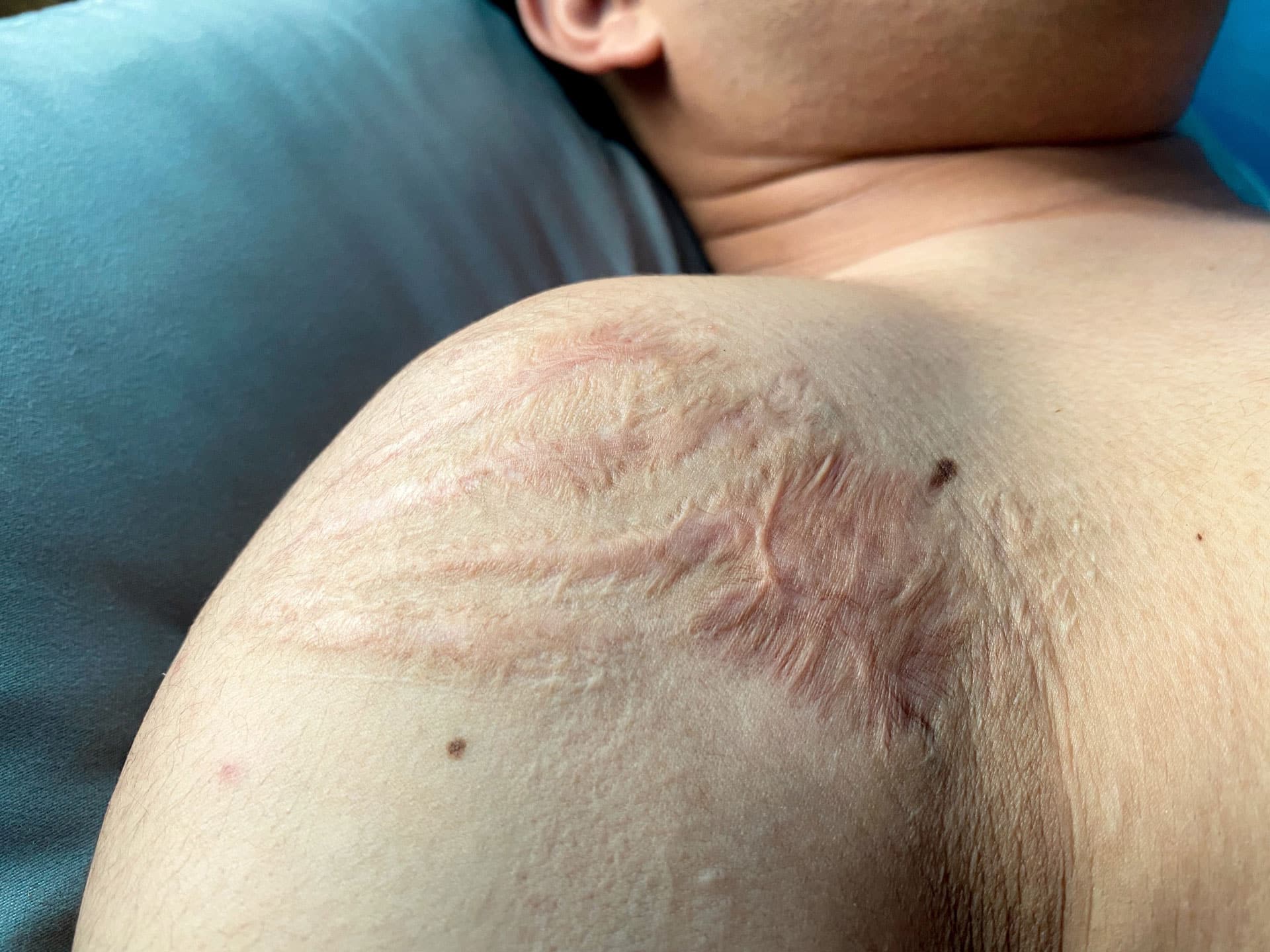
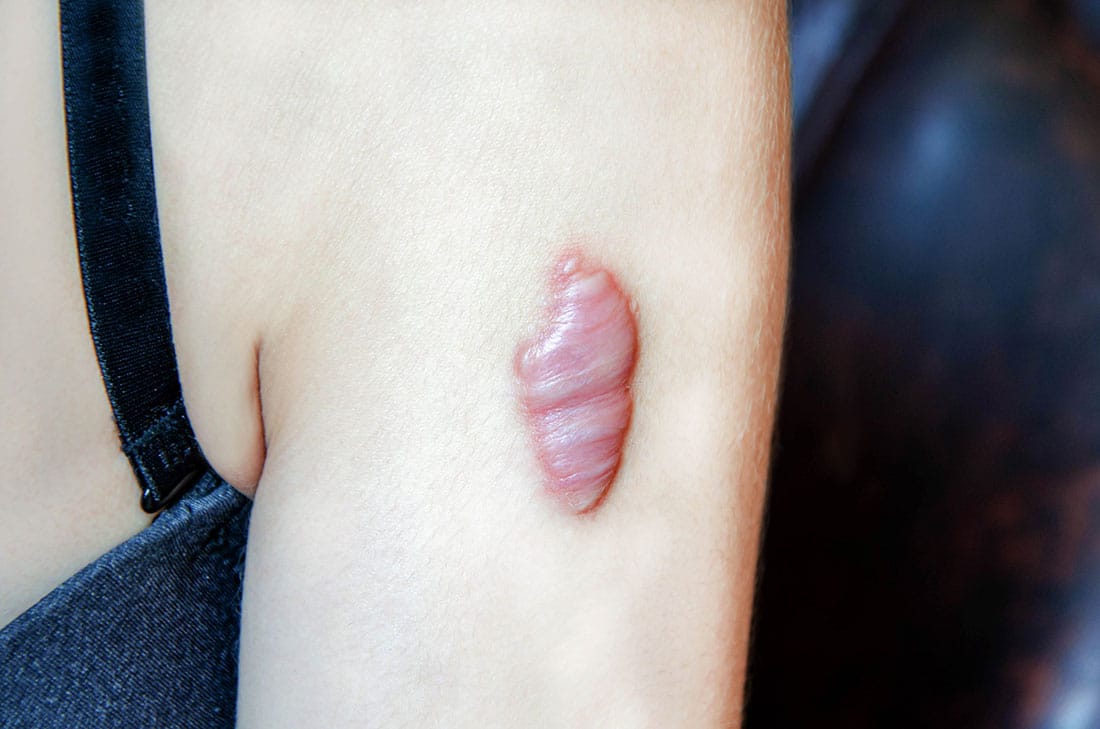
The result of the physiological healing process of the skin
Scars are the natural result of a skin healing process after damage or injury, such as a cut, burn, or surgery. When the skin is damaged, the body activates a repair mechanism that replaces the injured tissue with new fibrous tissue. Healing is critical to closing and protecting the wound.
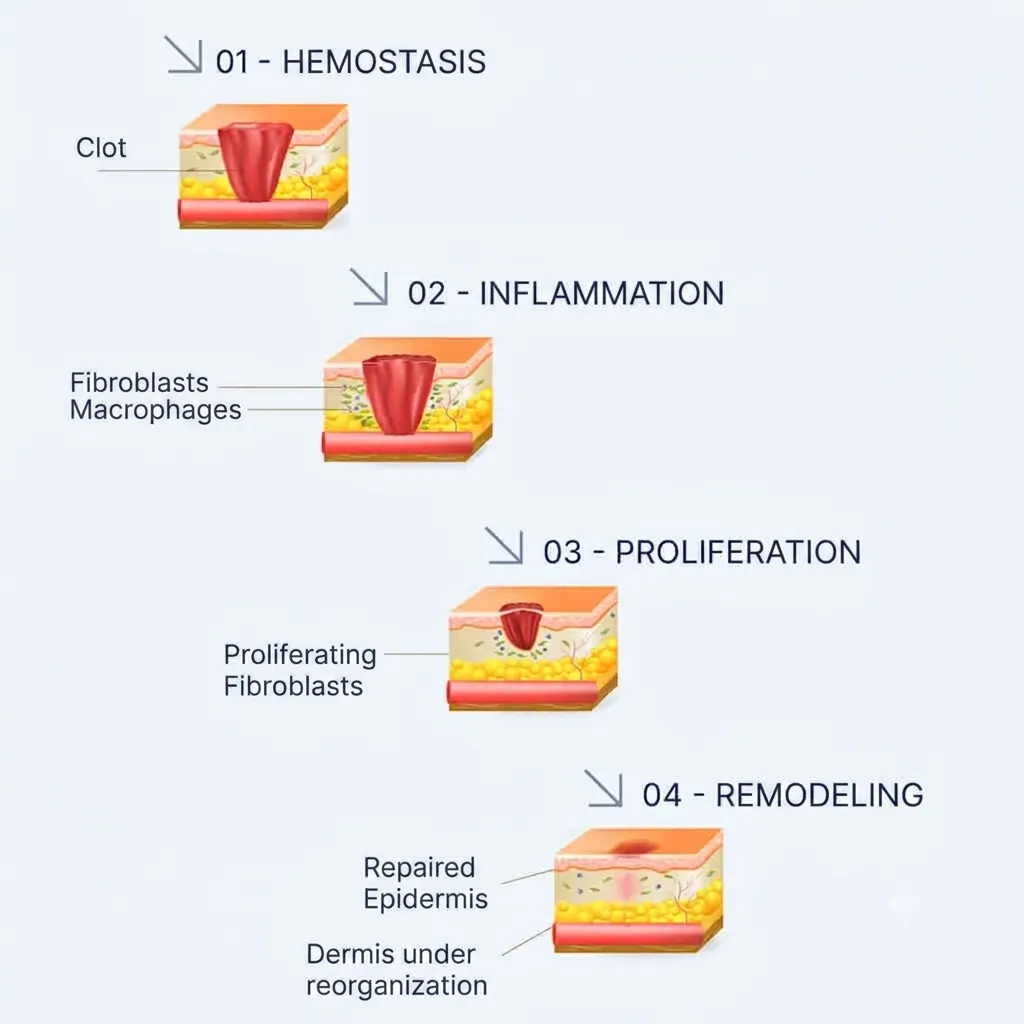
Cicatrisation develops in different stages, which can also overlap with each other:
Haemostasis
Platelets stop bleeding by forming a "plug" on the wound.
Duration: a few hours after the injury, depending on the depth and extent of the damage.
Inflammation
exudate is produced to eliminate bacteria and cellular debris from the wound, which appears swollen and red.
Duration: on average 2 to 5 days in case of physiological cicatrisation. If the inflammation lasts too long, it can cause some problems.
Proliferation
A granulation tissue is formed in which the fibroblasts produce new collagen. New blood vessels also form.
Duration: approx. 4-5 weeks for complete healing.
Reshaping
granulation tissue regresses, the collagen fibres reorganise, and the scar takes on its final appearance.
Duration: up to 2 years after the traumatic event.
What symptoms can a scar cause?
During the healing process of an injury, several scar-related symptoms may arise (cicatrisation). Here are the common ones.
Itchiness
It is a very common symptom, often linked to the initial inflammatory process and the reorganisation of tissues in the remodelling phase. The formation of new blood vessels and collagen fibres can contribute to this sensation.
Redness
Typically, especially in the early stages of healing, it is the most obvious symptom of inflammation.
Burning and sensitivity
Scars can alter the perception of the skin in the surrounding area, increasing or decreasing sensitivity to touch and often causinga burning sensation.
Pain
It can be linked to the response of damaged nerve endings that are active during the repair process.
Rigidity or limitations in movements
Extensive scars, especially if located on joints or active muscle areas, can become stiff and fibrous. Without proper and constant treatment, they could restrict movement or create annoying adhesions with the underlying tissues.
What causes a scar to form?
Scars result from the physiological process of skin repair following events that compromise its integrity. Among the most common causes that lead to their formation are:
Wounds and injuries: cuts, abrasions or other traumas that damage the skin, lead to activation of the healing process and may leave permanent marks.
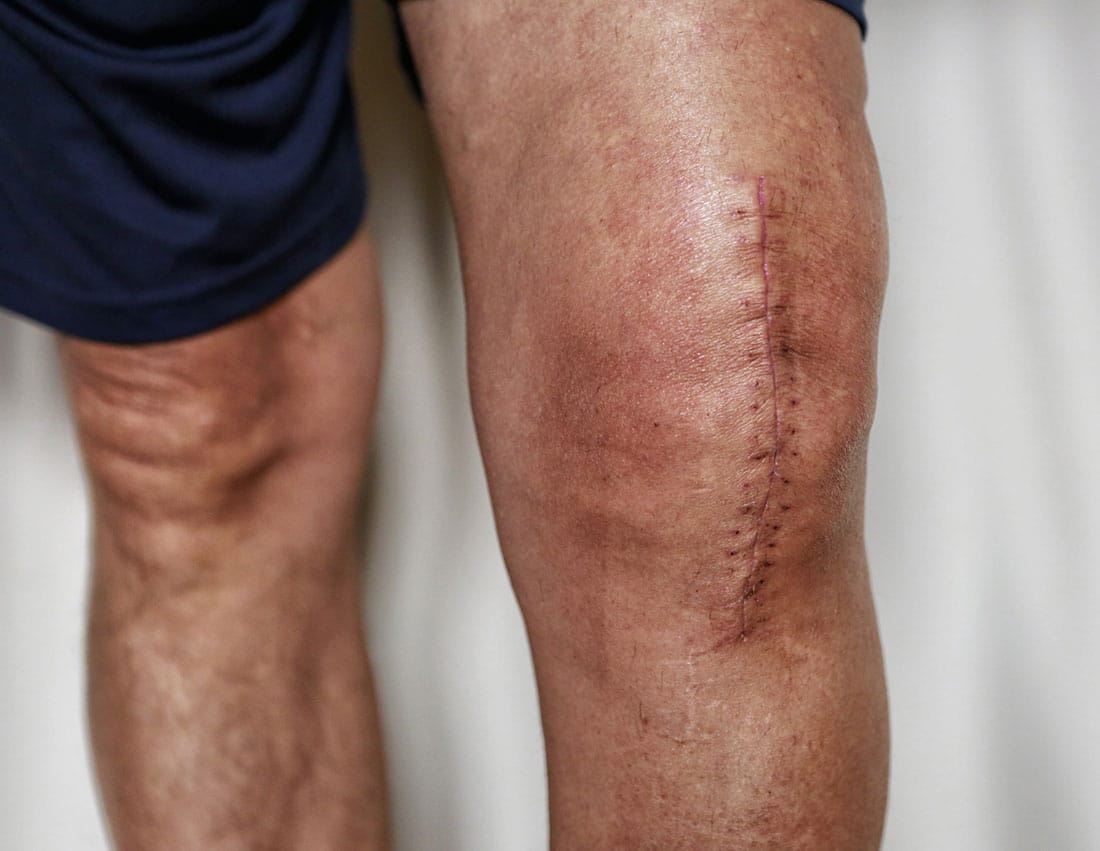
Surgery: Incisions made during an operation inevitably lead to scarring. The final appearance will depend on the technique used, the patient’s individual response (genetic predisposition), and wound care during healing.
Skin diseases: Conditions such as severe acne or chickenpox can leave permanent marks, especially if not treated promptly or properly.
Burns: Deep or extensive burns often cause visible and permanent scars. Their severity depends on the extent of skin damage.
What types of scar are there?
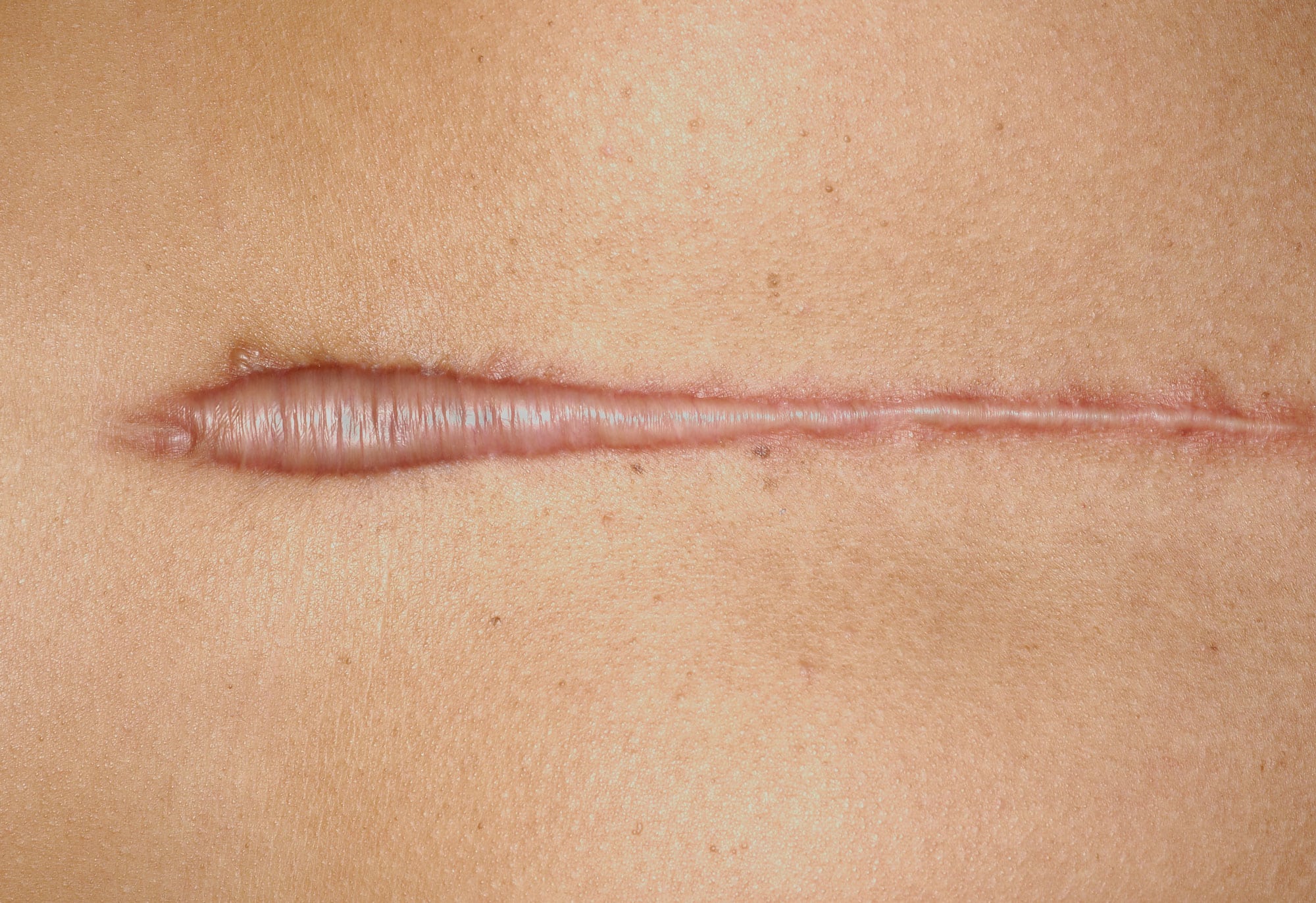
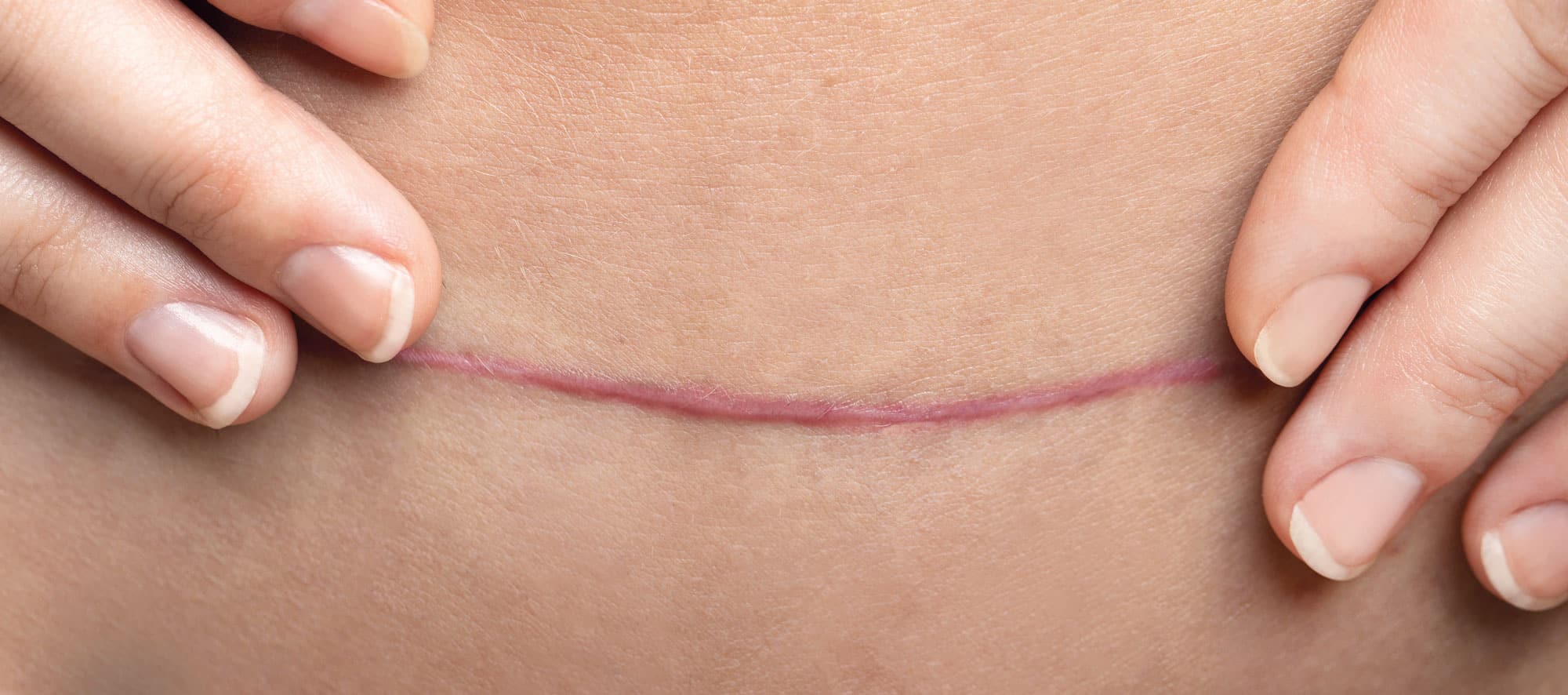
The scar’sappearance can vary depending on factors such as skin type, body location, wound characteristics, age, nutritional status, and lifestyle. In general, so-called “physiological” scars tend to improve over time, becoming less visible and less bothersome.
However, some scars do not follow this natural evolution and require treatment.